
How to Negotiate a Merchant Cash Advance Settlement
Merchant cash advance debt can spiral quickly. Daily withdrawals, high effective costs, and aggressive collection tactics often leave business owners searching for a way out. Negotiating a settlement may reduce the total amount owed, but doing it incorrectly can make the situation worse.
This guide explains how merchant cash advance settlements work, when negotiation is possible, and how to approach the process strategically.
To negotiate a merchant cash advance settlement, you must first stop automatic withdrawals, understand your contract terms, assess legal risks, and communicate through a structured settlement proposal. Working with an MCA defense attorney can improve leverage and reduce personal exposure.
What Is a Merchant Cash Advance Settlement?
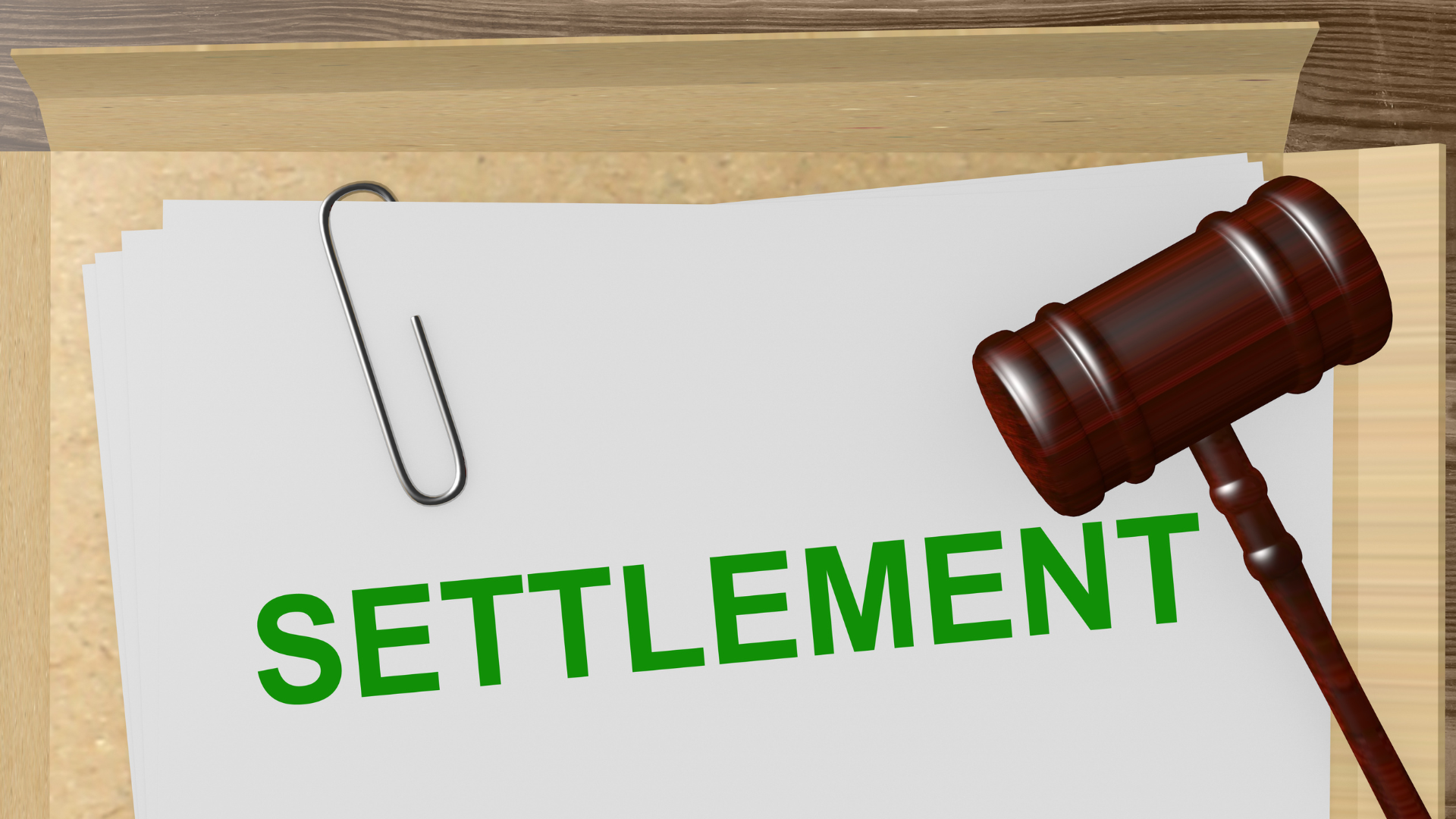
An MCA settlement is an agreement between the business owner and the funder to resolve the debt for less than the full balance claimed. In exchange for a reduced payment, the funder agrees to release the account and stop further collection.
Settlements may be paid as:
- A lump sum
- Short-term installment payments
- Structured resolutions tied to business revenue
Not all MCA funders negotiate willingly, which is why leverage matters.
When MCA Settlement Is Possible
Settlement discussions usually become realistic when:
- The business cash flow has declined
- Daily withdrawals are no longer sustainable
- The account is in default
- Legal action is pending or threatened
- The business has limited assets
Funders are often more open to negotiation when continued collection is uncertain.
Step 1: Review the MCA Agreement Carefully
Before negotiating, you must understand:
- Whether the agreement includes a personal guarantee
- Default provisions and triggers
- Confession of judgment clauses
- Venue and governing law
- Reconciliation language
These terms affect your leverage and settlement position.
Step 2: Stop Daily Withdrawals Safely
Many negotiations begin after withdrawals stop, but doing this incorrectly can trigger immediate legal action.
An attorney can help determine:
- Whether reconciliation rights apply
- How to avoid unnecessary default claims
- When stopping withdrawals is appropriate
Never act without reviewing the contract.
Step 3: Assess Your Legal Exposure
Effective negotiation depends on risk assessment. Key questions include:
- Can the funder obtain a judgment quickly
- Is the contract enforceable under state law
- Was the agreement structured as a disguised loan
- Is personal liability enforceable
The greater the lender’s legal risk, the stronger your settlement leverage.
Step 4: Prepare a Settlement Strategy
A successful settlement approach includes:
- Clear explanation of financial hardship
- Documentation supporting the inability to pay
- Defined settlement amount or range
- Proposed payment structure
- Timeline for resolution
Unstructured or emotional negotiations often fail.
Step 5: Communicate Through the Right Channel
Negotiations should be handled professionally and preferably through legal counsel.
This helps:
- Prevent damaging admissions
- Avoid harassment
- Control communications
- Protect your legal rights
Many funders negotiate differently when attorneys are involved.
Step 6: Get All Terms in Writing
Never send payment without a written settlement agreement.\
The agreement should confirm:
- Full satisfaction of the debt
- Release of personal guarantees
- Dismissal of lawsuits if filed
- Removal of bank restraints
- No future collection activity
Verbal promises are not enforceable.
Risks of Negotiating Alone
Business owners who negotiate on their own often face:
- Increased settlement demands
- Immediate lawsuits
- Confessions of judgment
- Loss of leverage
- Personal exposure
Once mistakes are made, they can be difficult to undo.
When Settlement Is Not Enough
Sometimes settlement is not realistic due to:
- Multiple MCA funders
- Ongoing lawsuits
- Severe cash flow collapse
- Personal guarantees across all advances
In these situations, MCA defense litigation or Chapter 7 bankruptcy may offer stronger protection.
Why Legal Guidance Matters
An MCA defense attorney can:
- Analyze the enforceability of agreements
- Challenge improper defaults
- Negotiate from a position of strength
- Coordinate settlement with litigation or bankruptcy
- Protect personal assets
This often leads to better outcomes than direct negotiation.
Frequently Asked Questions
1. Can MCA debt be settled for less than owed?
Yes. Many settlements are resolved for a reduced amount depending on risk and collectability.
2. Will settling hurt my credit?
MCAs typically do not report to consumer credit bureaus, but lawsuits and judgments may have consequences.
3. Can I negotiate while being sued?
Yes, but timing and strategy are critical.
4. Do I still owe taxes on settled debt?
In some cases, forgiven debt may be taxable. Consult a tax professional.
Negotiating a merchant cash advance settlement requires strategy, timing, and legal awareness. Done correctly, it may reduce liability and stop ongoing pressure. Done incorrectly, it can accelerate enforcement.
If you are dealing with MCA debt, professional guidance can help you understand your options and choose the safest path forward.
J. Singer Law Group assists business owners in
negotiating MCA settlements and defending against aggressive funders throughout New York.