

Who Qualifies for Chapter 7 Bankruptcy?
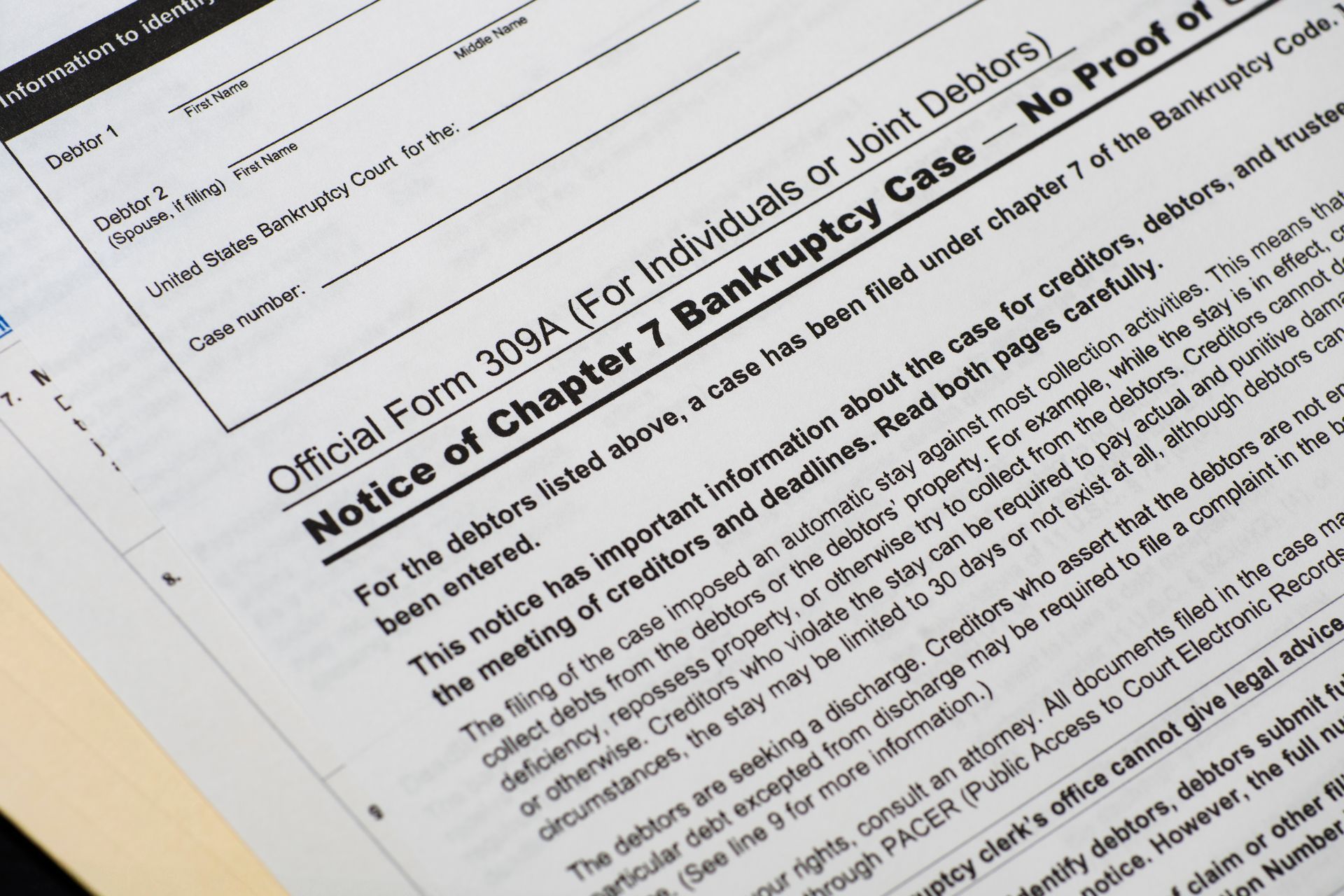
Chapter 7 bankruptcy is one of the most effective ways to eliminate overwhelming debt and get a fresh financial start. But not everyone qualifies. The process is designed for individuals and businesses who cannot afford to repay their debts, but there are specific eligibility requirements you must meet.
At J. Singer Law Group, we help individuals determine whether they qualify for Chapter 7 and guide them through the legal process to secure financial relief. In this guide, we’ll break down who qualifies for Chapter 7 bankruptcy , the eligibility requirements, and how to determine if it’s the right option for you.
Chapter 7 bankruptcy, also known as “liquidation bankruptcy,” allows individuals to discharge most unsecured debts, such as:
Unlike Chapter 13 bankruptcy , which involves repaying debts over time, Chapter 7 wipes out qualifying debts entirely. In return, some non-exempt assets may be liquidated to repay creditors, though most filers are able to keep essential property due to exemption laws.
To qualify for Chapter 7 bankruptcy, you must meet specific criteria, including passing a means test, demonstrating financial hardship, and ensuring you haven’t recently filed for bankruptcy.
The means test involves two steps:
Step 1: Comparing Your Income to the State Median Your household income is compared to your state’s median income for a household of the same size. If your income is below the median, you automatically qualify for Chapter 7.
For example, in New York (as of 2024), the median income limits are approximately:
Step 2: Deducting Allowable Expenses If your income is above the state median, you can still qualify by deducting allowable expenses, such as:
If, after these deductions, you don’t have enough disposable income to repay creditors, you may still qualify for Chapter 7.
If you filed a bankruptcy case that was dismissed, you may need to wait 180 days before re-filing.
The course is typically online, takes about 60–90 minutes, and must be completed within 180 days before filing.
Even if you qualify, Chapter 7 may not always be the best option. Here’s when filing Chapter 7 makes sense:
Even if you meet the eligibility criteria, Chapter 7 may not be the best option in certain cases:
If you believe you qualify for Chapter 7 bankruptcy, here’s what to do next:
1. Consult an Attorney: Bankruptcy laws are complex—speak with a qualified bankruptcy attorney at J. Singer Law Group for expert guidance.
2. Complete the Means Test: Your lawyer will evaluate your income and expenses to confirm eligibility.
3. Take a Credit Counseling Course: This is required before filing.
4. File Bankruptcy Forms: Your attorney will prepare and submit all necessary documents to the court.
5. Attend the 341 Meeting of Creditors: This short meeting allows the bankruptcy trustee to review your case.
6. Receive Your Discharge: Once approved, most debts are discharged within 3 to 6 months.
Filing for Chapter 7 bankruptcy can provide a fresh financial start by eliminating overwhelming debt. However, eligibility depends on income limits, past filings, and asset considerations. If you’re unsure whether you qualify, consulting an experienced bankruptcy attorney is the best step toward regaining financial stability.
At J. Singer Law Group, we provide expert legal assistance to guide you through the bankruptcy process. Contact us today for a free consultation and take control of your financial future!
At J. Singer Law Group, we help individuals determine whether they qualify for Chapter 7 and guide them through the legal process to secure financial relief. In this guide, we’ll break down who qualifies for Chapter 7 bankruptcy , the eligibility requirements, and how to determine if it’s the right option for you.
What is Chapter 7 Bankruptcy?
Chapter 7 bankruptcy, also known as “liquidation bankruptcy,” allows individuals to discharge most unsecured debts, such as:
- Credit card balances
- Medical bills
- Personal loans
- Utility bills
- Certain tax debts
Unlike Chapter 13 bankruptcy , which involves repaying debts over time, Chapter 7 wipes out qualifying debts entirely. In return, some non-exempt assets may be liquidated to repay creditors, though most filers are able to keep essential property due to exemption laws.
Who is Eligible for Chapter 7 Bankruptcy?
To qualify for Chapter 7 bankruptcy, you must meet specific criteria, including passing a means test, demonstrating financial hardship, and ensuring you haven’t recently filed for bankruptcy.
1. You Must Pass the Chapter 7 Means Test
The means test determines whether your income is low enough to qualify for Chapter 7 bankruptcy. It’s designed to prevent high-income earners from abusing the system and instead steer them toward Chapter 13 repayment plans.The means test involves two steps:
Step 1: Comparing Your Income to the State Median Your household income is compared to your state’s median income for a household of the same size. If your income is below the median, you automatically qualify for Chapter 7.
For example, in New York (as of 2024), the median income limits are approximately:
- 1-person household: $65,000
- 2-person household: $83,000
- 3-person household: $100,000
- 4-person household: $120,000
- (These numbers are updated periodically, so check with an attorney for current figures.)
Step 2: Deducting Allowable Expenses If your income is above the state median, you can still qualify by deducting allowable expenses, such as:
- Rent or mortgage payments
- Utility bills
- Childcare expenses
- Medical costs
- Necessary transportation expenses
If, after these deductions, you don’t have enough disposable income to repay creditors, you may still qualify for Chapter 7.
2. You Must Be an Individual, Not a Business
Most Chapter 7 filings are for individuals, but businesses can also file if they plan to liquidate and close down. However, if you own a business and want to keep it running, Chapter 7 may not be the best option—Chapter 11 or Chapter 13 may be more suitable.3. You Cannot Have Filed for Bankruptcy Recently
There are restrictions on how often you can file for bankruptcy:- If you filed for Chapter 7 in the past, you must wait 8 years before filing again.
- If you previously filed Chapter 13, you must wait 6 years to file for Chapter 7.
If you filed a bankruptcy case that was dismissed, you may need to wait 180 days before re-filing.
4. You Must Complete a Credit Counseling Course
Before filing for Chapter 7, you are required to complete a credit counseling course from an approved provider. This course helps assess your financial situation and ensures you understand all available options.The course is typically online, takes about 60–90 minutes, and must be completed within 180 days before filing.
Who Should Consider Chapter 7 Bankruptcy?
Even if you qualify, Chapter 7 may not always be the best option. Here’s when filing Chapter 7 makes sense:
- You have overwhelming unsecured debt. If credit card bills, medical expenses, and personal loans are unmanageable, Chapter 7 can wipe them out.
- You have little to no disposable income. If you struggle to cover basic expenses, you likely qualify for Chapter 7 bankruptcy.
- You don’t own valuable non-exempt assets. Most filers keep their primary home, car, and essential belongings under state or federal exemption laws.
- You want a fresh financial start. Chapter 7 eliminates debts quickly, typically within 3 to 6 months, allowing you to rebuild your finances.
Who Might NOT Qualify for Chapter 7?
Even if you meet the eligibility criteria, Chapter 7 may not be the best option in certain cases:
- You have significant disposable income. If the means test shows you have enough income to repay debts, you may need to file Chapter 13 instead.
- You’re behind on mortgage or car payments and want to keep them. Chapter 7 doesn’t provide a repayment plan to catch up on missed payments—Chapter 13 does.
- You have debts that can’t be discharged. Certain debts, like student loans, child support, and recent tax debts, typically aren’t eliminated in Chapter 7.
- You have non-exempt assets you want to protect. If you own luxury items, valuable investments, or multiple properties, they may be sold in Chapter 7 to pay creditors.
What Debts Can and Cannot Be Discharged?
Debts That Can Be Discharged in Chapter 7:
- Credit card debt
- Medical bills
- Personal loans
- Utility bills
- Old tax debts (under certain conditions)
- Deficiency balances from repossessed vehicles
Debts That Cannot Be Discharged:
- Student loans (except in extreme hardship cases)
- Child support and alimony
- Most tax debts (especially recent ones)
- Court fines and criminal restitution
- Debts from fraud or malicious activity
How to Start the Chapter 7 Bankruptcy Process
If you believe you qualify for Chapter 7 bankruptcy, here’s what to do next:
1. Consult an Attorney: Bankruptcy laws are complex—speak with a qualified bankruptcy attorney at J. Singer Law Group for expert guidance.
2. Complete the Means Test: Your lawyer will evaluate your income and expenses to confirm eligibility.
3. Take a Credit Counseling Course: This is required before filing.
4. File Bankruptcy Forms: Your attorney will prepare and submit all necessary documents to the court.
5. Attend the 341 Meeting of Creditors: This short meeting allows the bankruptcy trustee to review your case.
6. Receive Your Discharge: Once approved, most debts are discharged within 3 to 6 months.
Conclusion
Filing for Chapter 7 bankruptcy can provide a fresh financial start by eliminating overwhelming debt. However, eligibility depends on income limits, past filings, and asset considerations. If you’re unsure whether you qualify, consulting an experienced bankruptcy attorney is the best step toward regaining financial stability.
At J. Singer Law Group, we provide expert legal assistance to guide you through the bankruptcy process. Contact us today for a free consultation and take control of your financial future!
Subchapter V Debt Limit & MCA Eligibility: What New York Small Businesses Need to Know in 2026 By Jeb Singer, Esq. , Managing Partner, J. Singer Law Group, PLLC | Admitted: SDNY, EDNY | Last Updated: June 2026
MCA Lawsuit Against Your New York E-Commerce Business: Defenses, Rights & Next Steps By J eb Singer, Esq. | J. Singer Law Group, PLLC | 1 Liberty Street, Suite 2327, New York, NY 10006
Injured at work in Fort Worth? You don't need to know Texas law. Share your story with us for expert legal guidance.
Chapter 11 Automatic Stay: How It Protects Your Business the Moment You File By Ira Reid, Esq . , Partner, Chapter 11 & Subchapter V Restructuring, J. Singer Law Group, PLLC
MCA Default for New York Contractors: Legal Rights, Risks & Defense Strategies By Jeb Singer, Esq., Managing Partner, J. Singer Law Group, PLLC

MCA Funder UCC Seizure in New York: How to Protect Your Business Assets By Jeb Singer, Esq. , Managing Partner, J. Singer Law Group, PLLC

How to Vacate an MCA Judgment in the Bronx: A Step-by-Step Legal Guide By Jeb Singer , Managing Partner, J. Singer Law Group, PLLC | Admitted: New York | Former Law Clerk, Hon. Stuart M. Bernstein, U.S. Bankruptcy Court, S.D.N.Y.

MCA Personal Guarantee Exposure in New York: What Business Owners Must Know Before It’s Too Late By Jeb Singer, Esq. , Managing Partner, J. Singer Law Group, former federal bankruptcy law clerk to Judge Bernstein, U.S. Bankruptcy Court, S.D.N.Y., and MCA defense counsel to New York business owners across Manhattan, Brooklyn, Queens, the Bronx, Long Island, and Westchester.
Commercial Foreclosure Attorney in Queens, NY: Protect Your Property or Enforce Your Rights By Jeb Singer, Esq. , Managing Partner, J. Singer Law Group, PLLC
The LG Funding Recharacterization Test: How New York Courts Decide If Your MCA Is Really a Loan By Stephanie Meltzer, Esq., J. Singer Law Group