
Chapter 11 Bankruptcy for Small Businesses
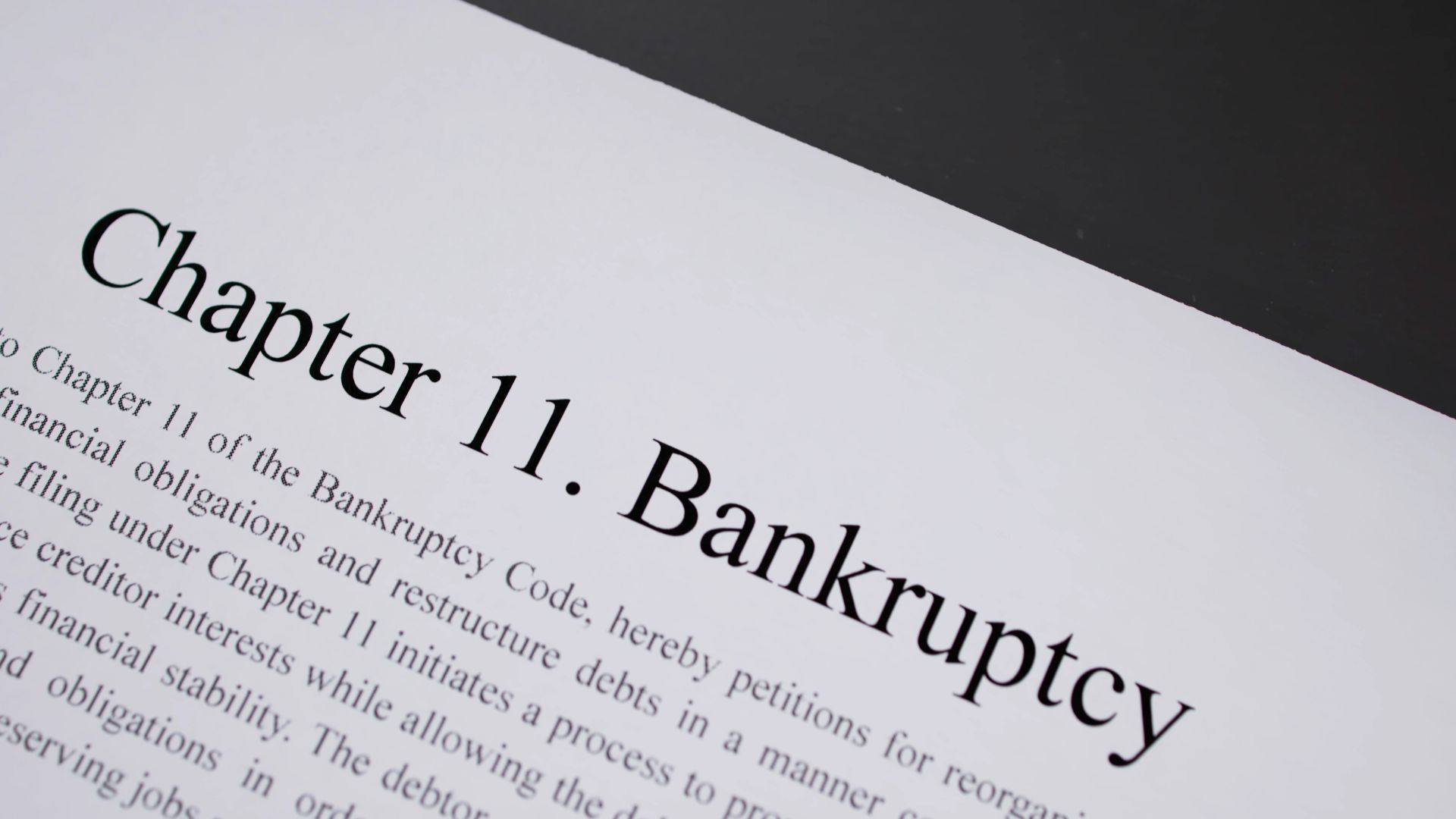
When debt threatens the survival of a small business, shutting down is not the only option. Chapter 11 bankruptcy allows businesses to reorganize debt, preserve operations, and negotiate with creditors under court protection.
While often associated with large corporations, small business bankruptcy under Chapter 11 is increasingly used by closely held businesses, real estate owners, and operating companies that need breathing room and a structured path forward.
This guide explains how Chapter 11 works, when it makes sense, available alternatives like Subchapter V and Chapter 7, and practical next steps for business owners considering reorganization.
Featured Snippet Answer
Chapter 11 bankruptcy allows small businesses to reorganize debt while continuing operations. The business remains in control as a debtor in possession, proposes a restructuring plan, and negotiates with creditors under court supervision to preserve value and future viability.
What Is Chapter 11 Bankruptcy?
Chapter 11 is a form of business reorganization bankruptcy that allows a company to restructure its financial obligations while remaining open.
Unlike liquidation, Chapter 11 focuses on:
- Preserving operations
- Renegotiating debt
- Restructuring contracts and leases
- Improving cash flow
- Maximizing long term value
The business continues operating throughout the case unless the court orders otherwise.
Who Should Consider Chapter 11?
Chapter 11 may be appropriate if your business:
- Has significant secured or unsecured debt
- Is facing lawsuits or aggressive creditor action
- Owns valuable assets worth preserving
- Generates revenue but lacks liquidity
- Needs time to renegotiate obligations
It is commonly used by:
- Retailers and service businesses
- Real estate holding companies
- Professional practices
- Manufacturing and logistics firms
The Role of the Debtor in Possession
In Chapter 11, the business typically remains in control as a debtor in possession.
This means management continues to:
- Run day to day operations
- Make business decisions
- Pay employees and vendors
- Propose a restructuring plan
Major decisions require court approval, but operational continuity is a core benefit of Chapter 11.
The Chapter 11 Process Step by Step
Filing the Petition
Once filed, the automatic stay goes into effect, stopping:
- Lawsuits
- Foreclosures
- Repossessions
- Collection actions
This provides immediate relief and stability.
Operating During Bankruptcy
The business must:
- Maintain insurance
- File operating reports
- Obtain approval for certain transactions
- Comply with court oversight
Transparency is critical throughout the case.
Creating a Restructuring Plan
The restructuring plan outlines how debts will be handled, including:
- Modified payment terms
- Reduced balances where allowed
- Asset sales if necessary
- Contract or lease rejections
Creditors vote on the plan, and the court must approve it.
Business Reorganization Benefits
Chapter 11 offers several strategic advantages:
- Time to negotiate with creditors
- Ability to reject burdensome contracts
- Opportunity to restructure secured debt
- Preservation of jobs and goodwill
- Continued access to revenue streams
For viable businesses, reorganization often preserves far more value than liquidation.
Subchapter V: A Streamlined Option for Small Businesses
Many small businesses now qualify for Subchapter V of Chapter 11, which offers:
- Faster timelines
- Reduced costs
- No creditor committee in most cases
- Greater control for owners
- Simplified confirmation requirements
Subchapter V is often preferable for owner-operated businesses with manageable complexity.
Chapter 11 vs Chapter 7 for Businesses
Understanding alternatives is essential.
Chapter 11
- Business continues operating
- Debt is restructured
- Assets are preserved where possible
Chapter 7
- Business shuts down
- Assets are liquidated
- No ongoing operations
If the business has no path forward, Chapter 7 may be appropriate. If value can be preserved, Chapter 11 is often the better choice.
Timing Considerations
Timing can significantly impact outcomes.
Filing earlier may:
- Prevent asset seizures
- Preserve negotiating leverage
- Reduce litigation costs
Waiting too long can limit options and increase losses.
Negotiating With Creditors During Chapter 11
Successful reorganization depends on effective negotiation.
Practical strategies include:
- Clear financial projections
- Realistic restructuring proposals
- Prioritizing key creditors
- Preserving vendor relationships
- Maintaining operational credibility
Court protection often brings reluctant creditors to the table.
Common Pitfalls to Avoid
Small businesses can struggle in Chapter 11 if they:
- File without a clear plan
- Underestimate reporting requirements
- Propose unrealistic projections
- Delay professional guidance
Preparation and experienced legal counsel are critical.
How J. Singer Law Group Helps Small Businesses
J. Singer Law Group works with small business owners to:
- Evaluate whether Chapter 11 makes sense
- Determine eligibility for Subchapter V
- Develop restructuring strategies
- Negotiate with creditors
- Preserve operations and long-term value
Our approach focuses on practical solutions, not just filings.
Frequently Asked Questions
1. Can a small business survive Chapter 11?
Yes. Many businesses emerge stronger after reorganizing debt and improving cash flow.
2. How long does Chapter 11 take?
Cases vary, but Subchapter V cases are often completed faster than traditional Chapter 11.
3. Do owners keep control of the business?
In most cases, yes, as a debtor in possession.
4. Is Chapter 11 expensive?
Costs vary, but early planning and Subchapter V can reduce expenses.
Final Thoughts
Chapter 11 bankruptcy is not a failure. For many small businesses, it is a strategic tool to reset finances, protect operations, and preserve long term value.
Understanding the process, alternatives, and timing is essential before taking action.
If your business is under pressure from debt or creditors, professional guidance can help you determine whether Chapter 11 or another option is the right next step.