
How Chapter 7 Bankruptcy Works in New York
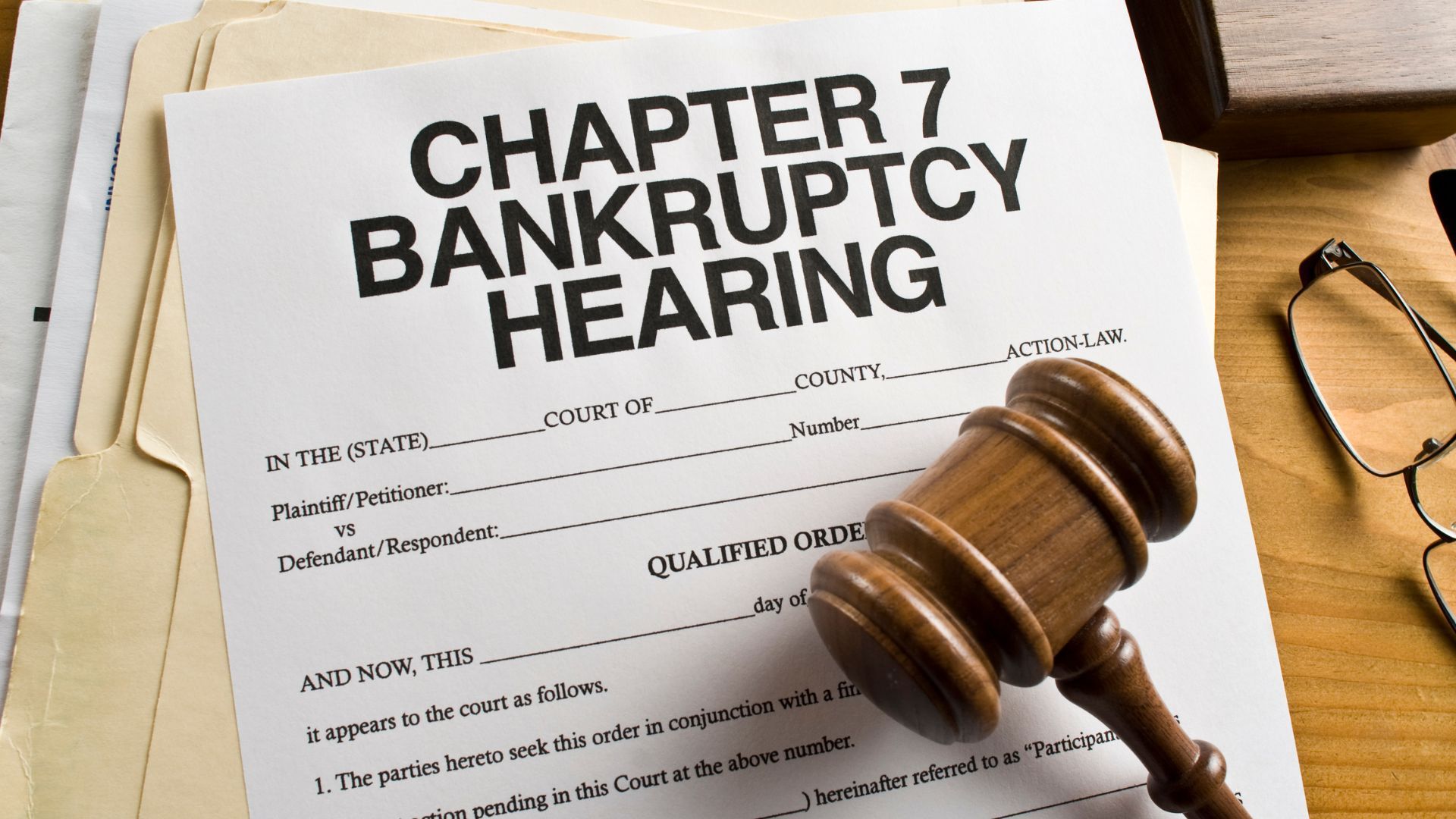
If you are overwhelmed by credit cards, medical bills, or other unsecured debt, Chapter 7 bankruptcy in New York may offer a fast and effective path to relief. Chapter 7 is designed to eliminate qualifying debt and give individuals a financial reset, often within a matter of months.
At J. Singer Law Group, we guide New Yorkers through every stage of the Chapter 7 process, from eligibility review to discharge. This article explains how Chapter 7 works in New York, who qualifies, what assets are protected, and what to expect before and after filing.
Featured Snippet Answer
Chapter 7 bankruptcy in New York allows eligible individuals to discharge most unsecured debts through a liquidation process. Qualification depends on the means test, assets are protected by New York bankruptcy exemptions, and most cases are completed within three to six months.
What Is Chapter 7 Bankruptcy?
Chapter 7 is often called a liquidating bankruptcy, but most filers do not lose their property. Instead, a court appointed trustee reviews your finances and applies New York and federal exemption laws to protect essential assets.
In exchange for full financial disclosure, eligible unsecured debts are discharged, meaning creditors can no longer legally collect.
Who Should Consider Chapter 7 in New York?
Chapter 7 may be appropriate if you:
- Have primarily unsecured debt
- Are you living paycheck to paycheck
- Cannot realistically repay what you owe
- Are facing lawsuits, garnishments, or collection pressure
- Want faster relief rather than a multi-year repayment plan
It is commonly used by individuals with credit card debt, medical bills, personal loans, and collection accounts.
Chapter 7: Eligibility in New York
The Means Test Explained
Chapter 7 eligibility is determined primarily by the means test. This test compares your average household income over the last six months to the New York median income for a household of your size.
- If your income is below the median, you usually qualify
- If your income is above the median, allowable expenses are deducted to determine disposable income
Many people with incomes above the median still qualify after expenses are accounted for.
Income That Counts and Income That Does Not
The means test includes most sources of income, such as:
- Wages and salary
- Overtime and bonuses
- Self-employment income
- Rental income
Social Security benefits are excluded and do not count toward eligibility.
Prior Bankruptcy Filing Rules
You generally must wait:
- Eight years between Chapter 7 discharges
- Four years after a Chapter 13 discharge
These waiting periods are strictly enforced.
Bankruptcy Exemptions in New York
Bankruptcy exemptions determine what property you can keep.
New York allows filers to choose between New York state exemptions or federal exemptions, but not both. Most filers use New York exemptions.
Commonly protected assets include:
- Equity in a primary residence up to the allowed limit
- One motor vehicle up to the exemption amount
- Household goods and personal items
- Retirement accounts and pensions
- Certain cash and savings
Choosing the correct exemption strategy is critical and should be done before filing.
The Chapter 7 Bankruptcy Timeline in New York
Understanding the bankruptcy timeline helps reduce stress and uncertainty.
Step 1: Credit Counseling
Before filing, you must complete a credit counseling course from an approved provider within 180 days.
Step 2: Filing the Case
Once your petition is filed:
- The automatic stay takes effect
- Collection calls and lawsuits must stop
- Wage garnishments and bank levies are paused
This protection is immediate.
Step 3: Trustee Appointment
A bankruptcy trustee is assigned to review your case, documents, and exemptions.
Step 4: The 341 Meeting of Creditors
About 30 days after filing, you attend a short meeting where the trustee asks basic questions about your finances. Most meetings last only a few minutes.
Step 5: Financial Management Course
After filing, you complete a second required course focused on financial education.
Step 6: Discharge
If there are no objections, the court issues a discharge order, usually within three to six months of filing. Eligible debts are permanently eliminated.
What Debts Chapter 7 Discharges
Chapter 7 bankruptcy typically eliminates:
- Credit card balances
- Medical bills
- Personal and signature loans
- Utility arrears
- Payday loans
- Collection accounts
- Certain civil judgments
Once discharged, creditors are prohibited from further collection.
Debts That Are Usually Not Discharged
Some debts generally survive Chapter 7, including:
- Child support and alimony
- Most student loans
- Recent income taxes
- Criminal fines and restitution
Understanding these limits is essential before filing.
Practical Tips to Prepare for Filing
Before filing Chapter 7 in New York, it is important to:
- Avoid transferring property
- Stop using credit unnecessarily
- Gather income and expense records
- List all debts and assets honestly
- Speak with a bankruptcy attorney early
Preparation reduces delays and protects your discharge.
Why Work With J. Singer Law Group
Chapter 7 bankruptcy involves detailed rules and strict deadlines. Mistakes can delay or derail your case.
J. Singer Law Group helps New Yorkers by:
- Confirming Chapter 7 eligibility
- Applying the right exemption strategy
- Preparing and filing accurate documents
- Communicating with trustees
- Guiding clients through discharge and recovery
Our goal is clarity, protection, and long-term stability.
Frequently Asked Questions
1. How long does Chapter 7 take in New York?
Most cases are completed within three to six months.
2. Will I lose my house or car?
Many filers keep both if equity is within exemption limits and payments are current.
3. Is Chapter 7 bankruptcy a public record?
Yes, filings are public records, though not searchable through standard search engines.
4. Can I file Chapter 7 if I am employed?
Yes. Employment does not disqualify you. Income and expenses determine eligibility.
5. Does Chapter 7 stop lawsuits immediately?
Yes. The automatic stay halts most legal actions upon filing.
Final Thoughts
Filing Chapter 7 bankruptcy in New York can provide fast and meaningful relief from overwhelming unsecured debt. Understanding eligibility rules, exemptions, and the filing timeline helps you avoid surprises and make informed decisions.
If you are considering Chapter 7, speaking with an experienced bankruptcy attorney can help you determine whether it is the right solution and ensure the process goes smoothly.
J. Singer Law Group is committed to helping New Yorkers navigate Chapter 7 bankruptcy with confidence and care.