
Chapter 7 Bankruptcy Filing in New York: A Complete Guide
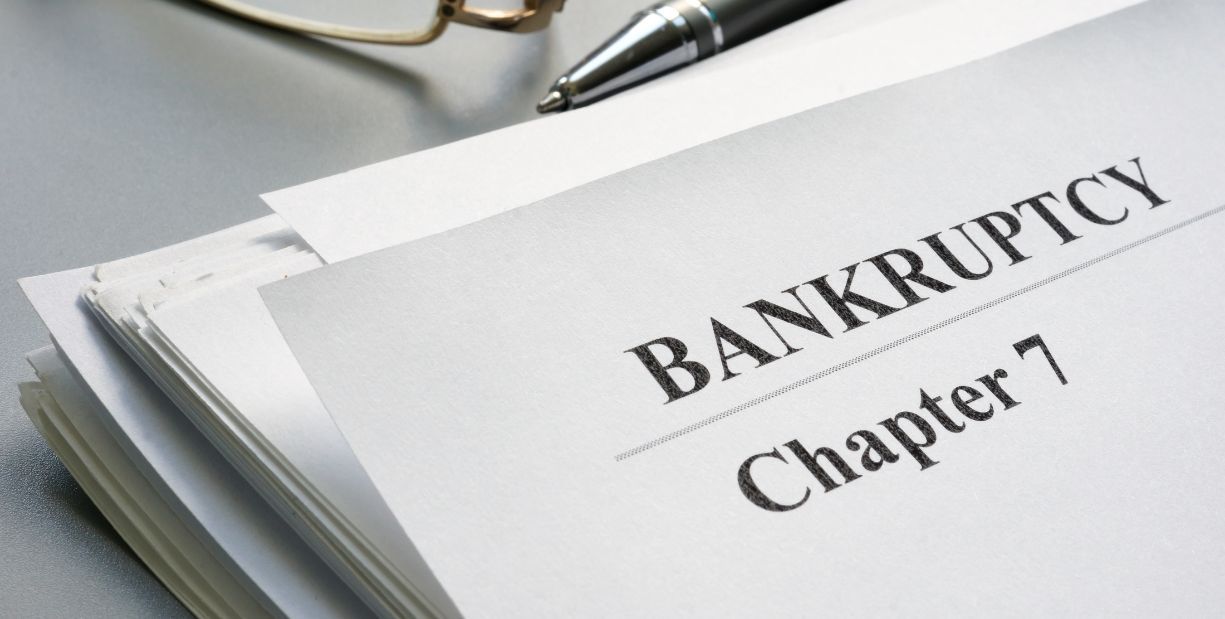
Filing for Chapter 7 bankruptcy in New York can provide powerful relief for individuals overwhelmed by debt. It is often the fastest way to eliminate unsecured debts and stop aggressive collection activity, including lawsuits, garnishments, and creditor harassment.
This guide explains how Chapter 7 bankruptcy works in New York, who qualifies, what the filing process looks like, and what you should expect before, during, and after your case.
Chapter 7 bankruptcy filing in New York allows eligible individuals to discharge most unsecured debts, such as credit cards and medical bills, within a few months. The process includes passing the means test, filing a petition with the bankruptcy court, attending a meeting of creditors, and receiving a discharge order.
What Is Chapter 7 Bankruptcy?
Chapter 7 bankruptcy is a form of consumer bankruptcy designed to eliminate unsecured debt for individuals who cannot realistically repay what they owe.
Unlike Chapter 13, which requires a repayment plan lasting several years, Chapter 7 focuses on the liquidation of non-exempt assets. Most filers in New York do not lose property because exemption laws protect essential assets.
Who Should Consider Filing Chapter 7 in New York?
Chapter 7 may be appropriate if you:
- Have mostly unsecured debt such as credit cards, medical bills, or personal loans
- Are behind on bills with no realistic way to catch up
- Have limited disposable income
- Are facing lawsuits, garnishments, or collection pressure
- Want a faster resolution rather than a multi-year repayment plan
It may not be the right option if you have significant non-exempt assets or a steady income that supports repayment.
Chapter 7: Eligibility Requirements in New York
To file Chapter 7, you must meet several legal requirements.
The Means Test
The means test compares your household income to the New York state median income for your household size.
- If your income is below the median, you usually qualify
- If your income is above the median, allowable expenses are deducted to determine disposable income
Many people with income above the median still qualify after expenses are considered.
Credit Counseling Requirement
Before filing, you must complete a credit counseling course from an approved provider within 180 days of filing.
Failure to complete this step can result in dismissal of your case.
Prior Bankruptcy Timing Rules
You generally must wait:
- Eight years between Chapter 7 discharges
- Four years after a Chapter 13 discharge
These rules are strictly enforced.
What Debts Chapter 7 Discharges
Chapter 7 bankruptcy in New York typically discharges:
- Credit card debt
- Medical bills
- Personal and signature loans
- Payday loans
- Utility arrears
- Collection accounts
- Certain civil judgments
Once discharged, creditors are legally barred from attempting collection.
Debts That Are Usually Not Discharged
Some debts survive Chapter 7, including:
- Child support and alimony
- Most student loans
- Recent income taxes
- Criminal fines and restitution
- Secured debts you choose to keep, such as a car or home loan
Understanding these limits is essential before filing.
Protecting Assets With New York Exemptions
New York law allows filers to protect certain property through exemptions. Commonly protected assets include:
- Equity in a primary residence up to the allowable limit
- One motor vehicle within the exemption amount
- Household goods and personal property
- Retirement accounts and pensions
- Certain cash and savings
Choosing the correct exemption strategy is a critical part of the filing process.
The Chapter 7 Filing Process in New York
Step 1: Prepare the Bankruptcy Petition
Your petition includes detailed information about:
- Income and expenses
- Assets and debts
- Recent financial transactions
- Contracts and leases
Accuracy is essential. Errors or omissions can delay or jeopardize your case.
Step 2: File With the Bankruptcy Court
New York has four federal bankruptcy districts:
- Southern District
- Eastern District
- Northern District
- Western District
Filing triggers the automatic stay, which immediately stops most collection actions.
Step 3: The Automatic Stay
Once filed, the automatic stay halts:
- Creditor calls and letters
- Lawsuits and judgments
- Wage garnishments
- Bank levies
- Foreclosure and repossession actions
Violations of the stay can result in penalties against creditors.
Step 4: The 341 Meeting of Creditors
About 30 days after filing, you must attend a meeting of creditors conducted by the trustee.
This meeting usually lasts only a few minutes and involves basic questions about your finances. Most creditors do not attend.
Step 5: Financial Management Course
After filing, you must complete a second course focused on financial management. This course is required for discharge.
Step 6: Discharge and Case Closure
If no objections are raised, the court issues a discharge order, usually within three to six months of filing. The case is then closed.
Life After Chapter 7 Bankruptcy
While Chapter 7 remains on your credit report for up to ten years, many people begin rebuilding credit much sooner.
Common post-bankruptcy steps include:
- Paying all bills on time
- Using secured credit cards responsibly
- Keeping balances low
- Monitoring credit reports for errors
Many filers qualify for new credit within a year.
Common Mistakes to Avoid
- Filing without understanding exemptions
- Transferring property before filing
- Running up credit shortly before filing
- Failing to disclose assets or income
- Missing required courses or deadlines
Working with an experienced attorney helps prevent these issues.
Why Work With a New York Bankruptcy Attorney
Chapter 7 bankruptcy involves strict rules and detailed filings. An experienced New York attorney can:
- Determine eligibility accurately
- Apply the best exemption strategy
- Protect assets legally
- Handle court filings and trustee communication
- Ensure a smooth path to discharge
Legal guidance reduces stress and improves outcomes.
Frequently Asked Questions
1. How long does Chapter 7 take in New York?
Most cases are completed within three to six months.
2. Will I lose my home or car?
Many filers keep both, provided equity falls within exemption limits and payments are current.
3. Can Chapter 7 stop foreclosure?
It temporarily stops foreclosure through the automatic stay, but long-term solutions may require Chapter 13.
4. Is Chapter 7 public record?
Yes, bankruptcy filings are public records, though not searchable through standard search engines.
5. Can I file Chapter 7 if I am employed?
Yes. Employment does not disqualify you. Income and expenses determine eligibility.
Final Thoughts
Chapter 7 bankruptcy filing in New York can provide immediate relief from overwhelming debt and a fresh financial start. Understanding eligibility, the filing process, and asset protection is key to a successful outcome.
If you are considering Chapter 7, speaking with a knowledgeable bankruptcy attorney can help you make informed decisions and move forward with confidence.
J. Singer Law Group assists New York residents through every step of the Chapter 7 bankruptcy process with clarity, care, and strategic guidance.