

How Does Filing Chapter 13 Bankruptcy Work?
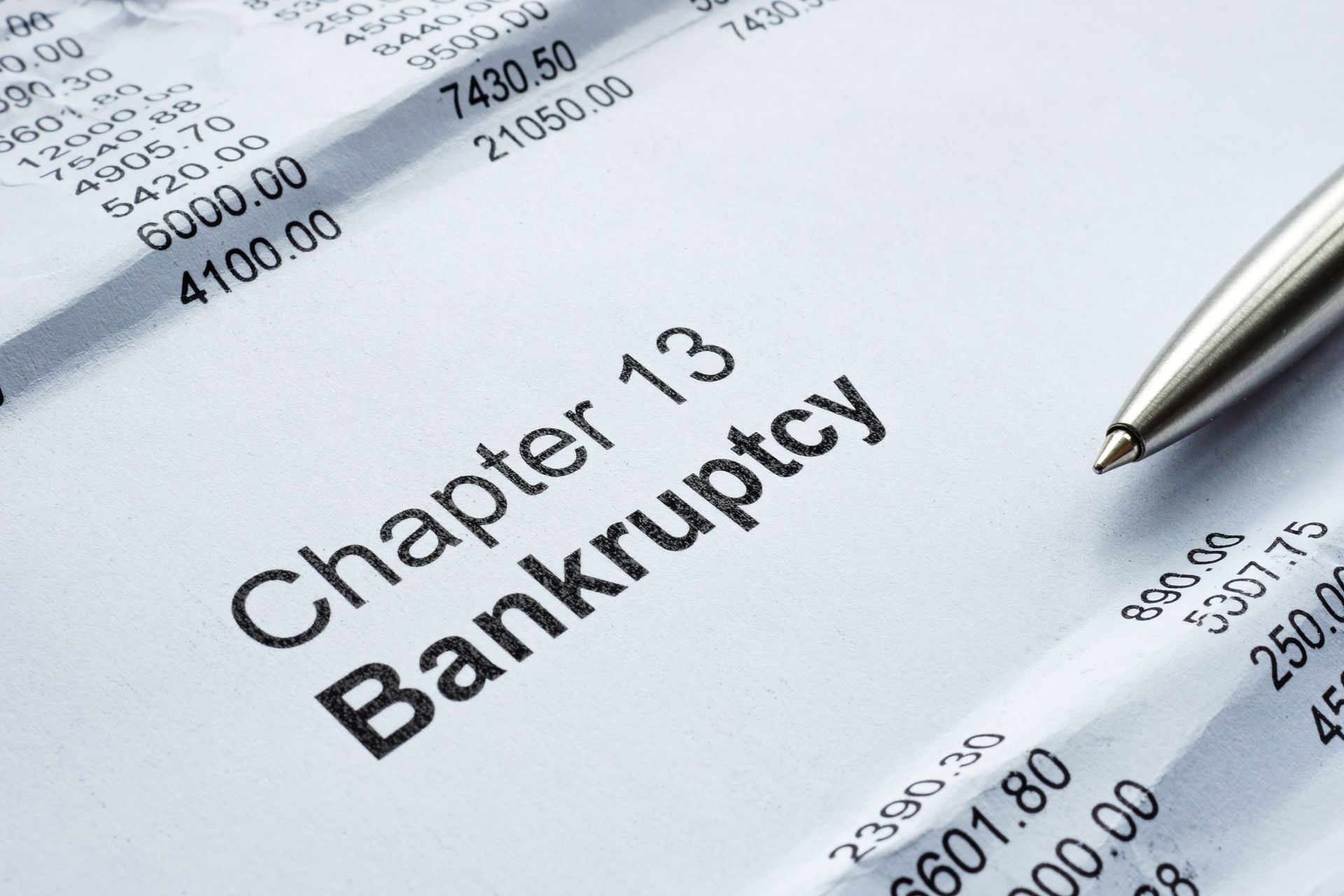
If you’re drowning in debt but still earning a steady income, Chapter 13 bankruptcy might be your life raft. Think of it like hitting the financial “reset” button — not to escape responsibility, but to reorganize it into something manageable. At J. Singer Law Group PLLC, we’re here to help New Yorkers regain control and rebuild stronger.
So, how exactly does Chapter 13 work? Let’s break it down step by step.
If Chapter 7 is like bulldozing your finances to start fresh, Chapter 13 is like building a financial renovation plan. You keep what matters while fixing what’s broken. Chapter 13 is ideal if:
Let’s walk through the exact steps. Filing can feel intimidating, but with the right guide — like J. Singer Law Group — it’s far more manageable than you think.
If you're in New York and ready to regain control of your finances, contact J. Singer Law Group PLLC today for a free consultation. We’ll help you decide if Chapter 13 is the smart path forward.
So, how exactly does Chapter 13 work? Let’s break it down step by step.
What Is Chapter 13 Bankruptcy?
Understanding the Basics
Chapter 13 is often called the "wage earner’s plan." Unlike Chapter 7 , which wipes out many debts entirely, Chapter 13 allows you to restructure your debt and pay it off over three to five years — all while keeping your home, car, and other important assets.Chapter 13 vs. Chapter 7
If Chapter 7 is like bulldozing your finances to start fresh, Chapter 13 is like building a financial renovation plan. You keep what matters while fixing what’s broken. Chapter 13 is ideal if:
- You earn too much to qualify for Chapter 7.
- You’re behind on mortgage or car payments.
- You have non-dischargeable debts like taxes or child support.
Is Chapter 13 Right for You?
Who Qualifies for Chapter 13?
To file Chapter 13, you must:- Have regular income.
- Owe less than $2.75 million (as of 2024) in combined secured and unsecured debts.
- Be current on tax filings.
Common Reasons People File
- Avoiding foreclosure and catching up on mortgage arrears.
- Stopping car repossessions or utility shut-offs.
- Consolidating multiple debts into one affordable monthly payment.
The Chapter 13 Filing Process Explained
Let’s walk through the exact steps. Filing can feel intimidating, but with the right guide — like J. Singer Law Group — it’s far more manageable than you think.
Step 1: Pre-Filing Credit Counseling
You must complete a credit counseling course from an approved provider within 180 days before filing. It’s a basic requirement and helps assess your financial situation.Step 2: Filing the Bankruptcy Petition
This is where your bankruptcy case officially begins. You or your attorney will submit a petition and detailed schedules to the bankruptcy court, including:- A list of all your debts and assets
- Income and expenses
- Financial history
- Once filed, a trustee is appointed to oversee your case.
Step 3: Automatic Stay Kicks In
The moment you file, something powerful happens: an automatic stay takes effect. This means creditors must stop all collection activities — no more calls, lawsuits, garnishments, or foreclosures. Think of it like a legal “pause button.”Step 4: Submitting a Repayment Plan
You propose a three- to five-year repayment plan based on your income, expenses, and types of debt. You’ll typically pay your disposable income to the trustee each month, who distributes it to creditors.Step 5: The 341 Meeting of Creditors
Roughly 30 days after filing, you’ll attend the 341 meeting (also called the “meeting of creditors”). Don’t panic — it’s usually quick and informal. The trustee asks a few basic questions about your finances. Creditors may attend, but rarely do.Step 6: Plan Confirmation Hearing
The court holds a hearing to approve or “confirm” your repayment plan. If there are objections, your attorney can negotiate or modify the plan.Step 7: Making Payments Under the Plan
Once the plan is confirmed, you start making payments — usually via payroll deduction. If you stay on track, the process is largely hands-off from there.Step 8: Discharge and Fresh Start
After successfully completing your plan, the court discharges most remaining eligible debts. You’ve made it — and you’ve protected your home, car, and peace of mind along the way.Key Benefits of Filing Chapter 13
Stops Foreclosures and Repossessions
Behind on your mortgage? Chapter 13 lets you catch up on past-due payments while staying in your home. That’s a game-changer.Consolidates Debt Without Interest
Credit cards? Medical bills? You can roll them into your repayment plan — often without additional interest — and pay one manageable amount each month.Allows You to Keep Property
Unlike Chapter 7, you’re not forced to liquidate assets. You get to keep your house, car, and other important possessions as long as your plan accounts for them.Potential Drawbacks You Should Know
It’s a Long Commitment
Three to five years is no small stretch. You need steady income and discipline to stay on track, though the payoff is freedom from crushing debt.Credit Impact
Yes, Chapter 13 appears on your credit report for up to 7 years. But let’s be real — if you’re considering bankruptcy, your credit may already be struggling. Filing could actually help you begin rebuilding sooner.How a Bankruptcy Attorney Can Help
Why Experience Matters
Bankruptcy is complex. Mistakes can cost you time, money, or worse — your chance at relief. An experienced firm like J. Singer Law Group will ensure:- All forms are filed correctly
- Your plan maximizes protections
- You avoid common pitfalls
Custom Strategy for Your Financial Situation
No two cases are alike. Whether you’re fighting foreclosure or juggling tax debt, we build personalized strategies tailored to your goals.Conclusion: Reclaim Control of Your Finances
Chapter 13 isn’t a defeat — it’s a strategy. A commitment to reshaping your finances and protecting your future. And if you're ready to stop the collection calls, save your home, and start fresh with expert legal guidance, J. Singer Law Group PLLC is here to lead the way.Frequently Asked Questions
1. What debts are not discharged under Chapter 13?
Certain debts stick around even after discharge — like student loans, most tax debts, child support, and criminal restitution. However, Chapter 13 helps you manage these obligations more affordably.2. Will Chapter 13 stop a foreclosure?
Yes! Filing triggers an automatic stay, halting foreclosure proceedings. Your repayment plan can include past-due amounts, helping you catch up and keep your home.3. Can I keep my house and car?
Absolutely — as long as you stay current on payments or include arrears in your plan. Chapter 13 is designed to help you preserve your essential assets.4. What happens if I miss a payment?
Missing a payment can put your case at risk, but you may be able to modify your plan or request a temporary suspension. It’s important to communicate with your attorney immediately if you run into trouble.5. How long does Chapter 13 stay on my credit report?
Up to 7 years from the date you file. But the impact fades over time, and many filers begin rebuilding credit within a year or two after discharge.If you're in New York and ready to regain control of your finances, contact J. Singer Law Group PLLC today for a free consultation. We’ll help you decide if Chapter 13 is the smart path forward.
MCA Default in Westchester, NY: What Business Owners Must Know and Do Right Now By Jeb Singer, Esq., Managing Partner, J. Singer Law Group, PLLC
Subchapter V Debt Limit & MCA Eligibility: What New York Small Businesses Need to Know in 2026 By Jeb Singer, Esq. , Managing Partner, J. Singer Law Group, PLLC | Admitted: SDNY, EDNY | Last Updated: June 2026
MCA Lawsuit Against Your New York E-Commerce Business: Defenses, Rights & Next Steps By J eb Singer, Esq. | J. Singer Law Group, PLLC | 1 Liberty Street, Suite 2327, New York, NY 10006
Injured at work in Fort Worth? You don't need to know Texas law. Share your story with us for expert legal guidance.
Chapter 11 Automatic Stay: How It Protects Your Business the Moment You File By Ira Reid, Esq . , Partner, Chapter 11 & Subchapter V Restructuring, J. Singer Law Group, PLLC
MCA Default for New York Contractors: Legal Rights, Risks & Defense Strategies By Jeb Singer, Esq., Managing Partner, J. Singer Law Group, PLLC

MCA Funder UCC Seizure in New York: How to Protect Your Business Assets By Jeb Singer, Esq. , Managing Partner, J. Singer Law Group, PLLC

How to Vacate an MCA Judgment in the Bronx: A Step-by-Step Legal Guide By Jeb Singer , Managing Partner, J. Singer Law Group, PLLC | Admitted: New York | Former Law Clerk, Hon. Stuart M. Bernstein, U.S. Bankruptcy Court, S.D.N.Y.

MCA Personal Guarantee Exposure in New York: What Business Owners Must Know Before It’s Too Late By Jeb Singer, Esq. , Managing Partner, J. Singer Law Group, former federal bankruptcy law clerk to Judge Bernstein, U.S. Bankruptcy Court, S.D.N.Y., and MCA defense counsel to New York business owners across Manhattan, Brooklyn, Queens, the Bronx, Long Island, and Westchester.
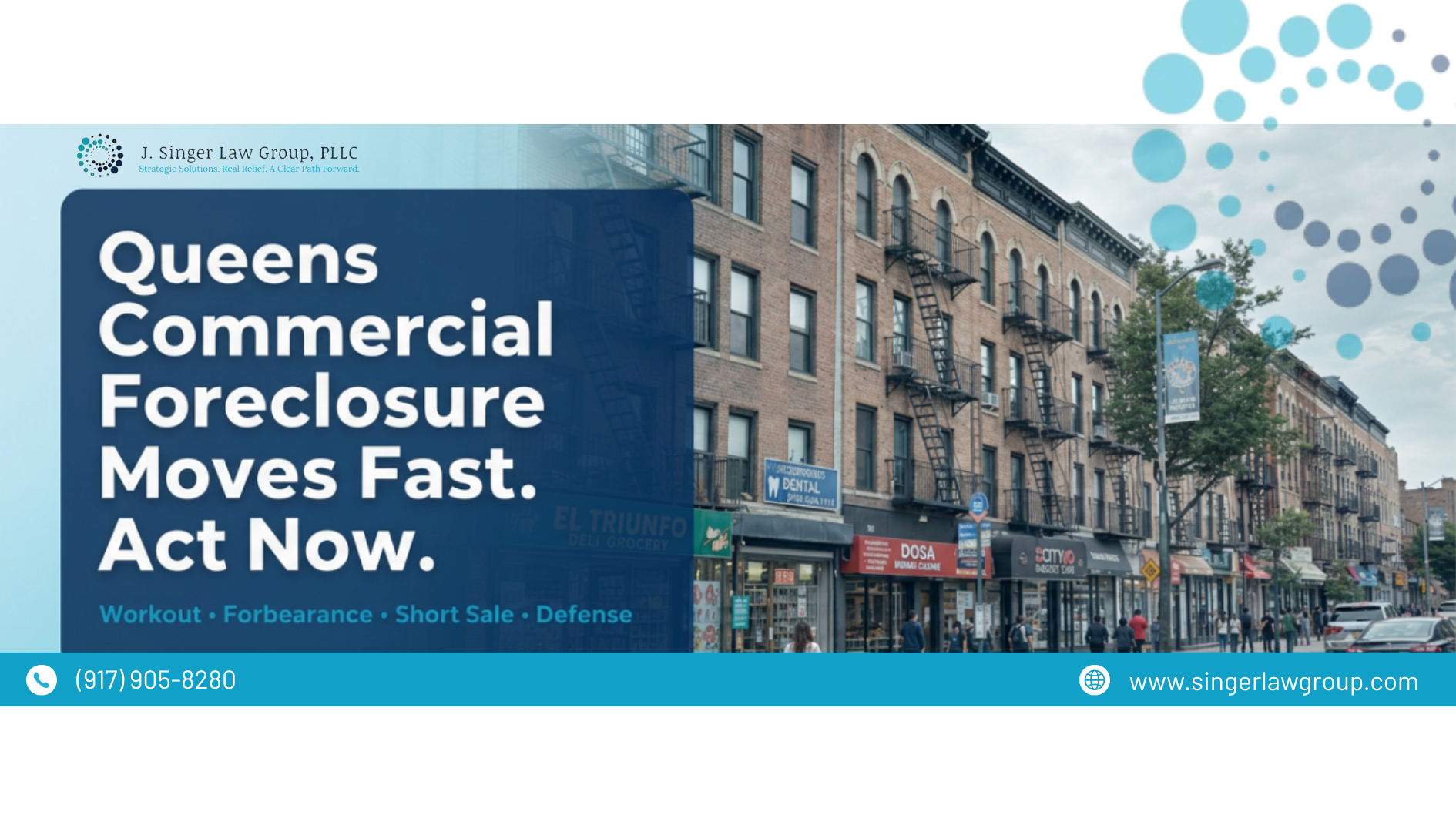
Commercial Foreclosure Attorney in Queens, NY: Protect Your Property or Enforce Your Rights By Jeb Singer, Esq. , Managing Partner, J. Singer Law Group, PLLC